
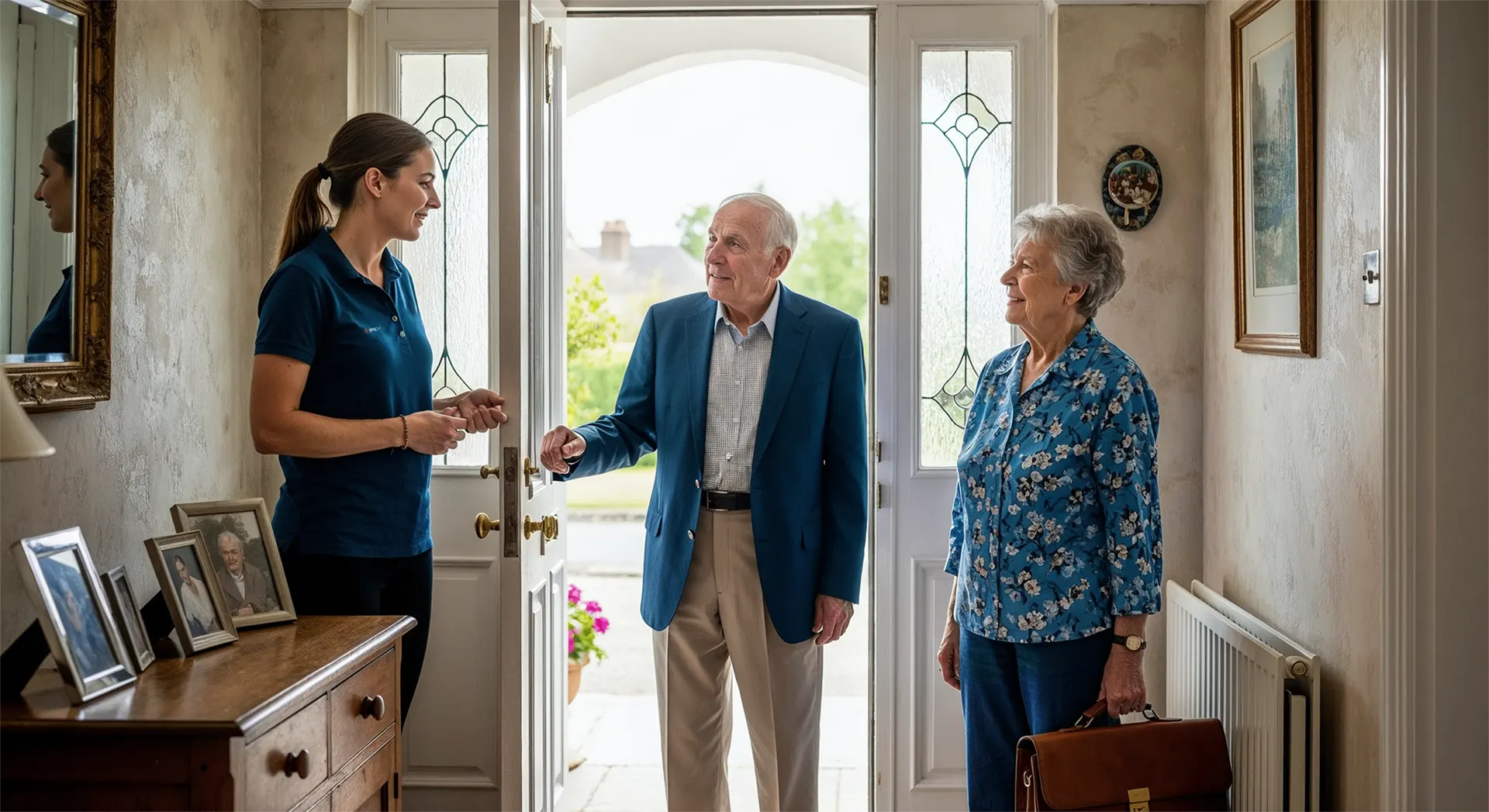
- The first consultation sets the foundation for a personalised care plan.
- Care Partners assess needs, preferences, and personal goals.
- Clients and families receive information on services and funding options.
- Open communication builds trust and clarity from the start.
- Preparation helps ensure a productive, respectful consultation.
The first care management consultation can feel like a significant step for clients and their families. It marks the beginning of a personalised care journey, one that focuses on understanding individual needs, identifying goals, and establishing a supportive relationship with a Care Partner.
Knowing what to expect can reduce anxiety and make the conversation more productive. This article outlines the purpose of the consultation, what typically happens during the meeting, and how to prepare to get the most out of the experience.
Purpose of the First Consultation
The initial care consultation sets the groundwork for an effective and respectful in-home care experience. Its main purpose is to gain a comprehensive understanding of the client’s:
- Physical and mental health
- Living environment
- Lifestyle preferences
- Personal goals and values
This meeting also allows clients and families to ask questions, raise concerns, and begin building rapport with their Care Partner. By the end of the consultation, the client should feel heard, understood, and informed about next steps.
What Happens During the Consultation?
1. Introductions and Orientation
The session usually begins with introductions and a discussion of the Care Partner’s role. The Care Partner will explain how care under the Home Care Packages program works, what to expect over time, and how decisions will be made collaboratively.
This helps build a foundation of transparency and trust, especially important when starting a new care relationship.
2. Comprehensive Needs Assessment
A thorough assessment is conducted to explore various areas of the client’s life. This includes:
- Physical health and current medical conditions
- Mobility and ability to manage daily tasks
- Mental and emotional wellbeing
- Cognitive function and memory
- Current supports and social networks
- Interests and hobbies
The aim is to identify where support is needed and to ensure that support is delivered in a way that aligns with the client’s values and preferences.
3. Discussing Goals and Preferences
Beyond clinical needs, the Care Partner will ask about the client’s lifestyle, aspirations, and routines. This might include:
- Staying connected to a faith or cultural community
- Continuing hobbies like gardening, music, or art
- Remaining in control of daily decisions
- Attending family events or maintaining routines
Incorporating personal goals ensures the care plan goes beyond basic support to enhance quality of life.
4. Reviewing Services and Funding Options
The Care Partner will explain what services may be available under the Home Care Package funding, including:
- Personal care and domestic assistance
- Allied health and nursing services
- Transport and social support
- Home modifications and safety equipment
They will also guide you through different package levels, how budgets work, and how to access additional support if needed.
5. Outlining the Next Steps
At the end of the consultation, the Care Partner will explain what happens next, including:
- Drafting and finalising a personalised care plan
- Coordinating the first services
- Setting up a schedule for regular care reviews
- Providing contact details for ongoing support
How to Prepare for the First Consultation
Being well-prepared can help make the session more meaningful and ensure nothing important is missed. Here’s how to prepare:
- List key concerns or questions ahead of time
- Gather relevant documents, such as recent medical reports or hospital discharge summaries
- Note current services or supports, including informal care arrangements
- Talk with family members about goals, wishes, and preferred care approaches
Clients don’t need to have all the answers, but reflecting on these areas can help guide the conversation.
Building a Relationship with Your Care Partner
This consultation is also the start of a long-term relationship. Trust and communication are key.
Feel free to ask questions like:
- What experience do you have with similar clients?
- How do you manage changes in care needs?
- How often will we speak?
- What happens if I need to change a service or provider?
Open dialogue helps establish mutual respect and comfort, both of which are essential for collaborative, person-centred care.
Frequently Asked Questions (FAQs)
Yes. They will discuss your package level, what it covers, and how funds can be allocated based on your goals.
You’ll receive a draft care plan, begin services, and schedule ongoing reviews. Your Care Partner will remain available for updates or concerns as they arise.
Yes. Families are encouraged to participate, especially if they are involved in decision-making or day-to-day support.
It depends on the assessed level and priority. Some people receive their package within weeks, others may wait several months. While waiting, you may be eligible for interim support via the CHSP.
No. The purpose of the consultation is to explore the client’s needs and preferences. The Care Partner will work with you to develop the care plan after the meeting.
- Assisted Living Advice
- Carer Support & Resources
- Dementia & Memory Support
- End-of-Life Care & Planning
- Family & Relationship Guidance
- Government Support & My Aged Care
- Health & Wellbeing
- Home Safety & Accessibility
- In-Home Care Tips
- Legal & Financial Planning
- Mental Health in Ageing
- Mobility & Exercise
- Nutrition for Seniors
- Tech & Tools for Seniors
- Transitioning to Aged Care
Final Thoughts
The first care management consultation is a key milestone in designing care that is tailored, respectful, and aligned with your loved one’s unique needs and values.
By preparing thoughtfully, being open during the meeting, and establishing a strong relationship with your Care Partner, you’re taking the first step toward care that promotes independence, wellbeing, and peace of mind.