
- Technology enhances safety, independence, and care coordination for older Australians at home.
- Care Partners use tools like telehealth, remote monitoring, and digital planning to support personalised care.
- Smart devices reduce risk, while data helps detect early changes in health.
- Clients and families benefit from increased peace of mind and improved outcomes.
- Technology use must be balanced with support, training, and privacy protections.
As aged care evolves, technology plays an increasingly important role in how support is delivered under the Home Care Packages program. From fall detectors and medication reminders to telehealth and digital care plans, modern tools are transforming how older Australians receive care, allowing them to remain safe, connected, and independent in their own homes.
This article explores how technology is being used in aged care today, the benefits it brings to clients and families, and how Care Partners integrate these tools into everyday support.
Why Technology Matters in Aged Care Management
For clients receiving in-home care, technology can make a significant difference. It supports better coordination, early intervention, and a more personalised care experience. Here’s why it matters:
- Improves safety with real-time monitoring and emergency alerts
- Supports independence through tools that empower daily living
- Enables proactive care with data-driven health insights
- Enhances communication between Care Partners, families, and healthcare providers
- Streamlines care planning and service updates
By embedding technology into the home care journey, Care Partners can deliver higher quality, client-centred care with greater efficiency and confidence.
Key Technologies in Aged Care Management
1. Telehealth and Remote Monitoring
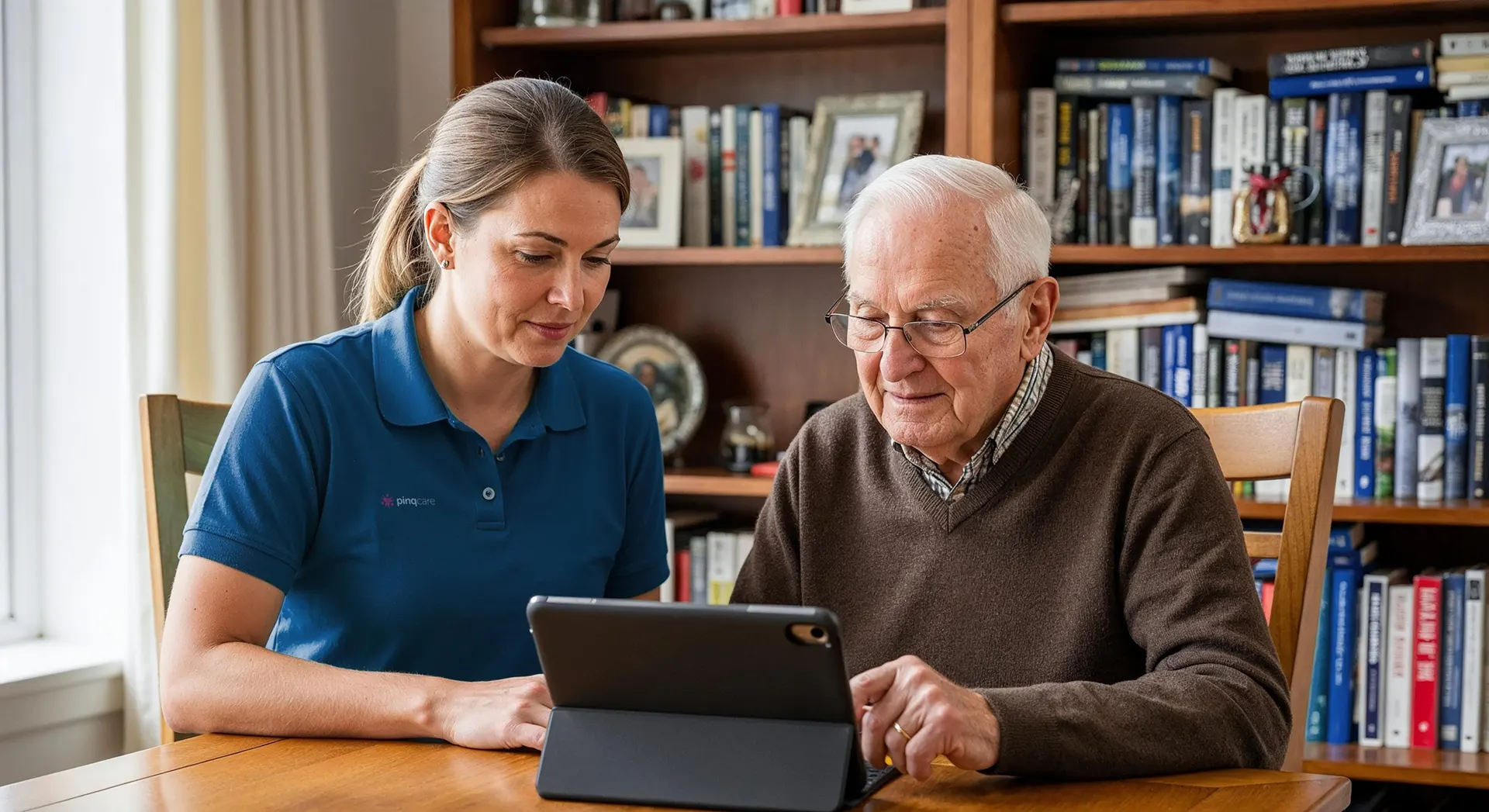
Clients can now attend routine appointments with GPs, specialists, and allied health professionals from the comfort of home via secure video calls. This reduces travel and wait times, and is especially useful for clients in rural areas or with mobility issues.
Devices that monitor vital signs, blood sugar, oxygen levels, or other key health metrics can send real-time data to Care Partners, allowing them to detect early warning signs and respond quickly.
2. Medication Management Apps
Managing multiple prescriptions can be challenging. Medication apps and automated pill dispensers provide reminders, track doses, and alert Care Partners or family members if doses are missed.
This reduces medication errors and ensures consistent treatment, crucial for clients with complex or chronic conditions.
3. Fall Detection and Smart Home Safety Devices
Falls remain one of the greatest risks for older adults. Wearables, smart floor sensors, and voice-activated emergency buttons can detect falls or risky movements and alert emergency contacts or responders immediately.
Other tools, like motion-activated lighting, door sensors, and temperature monitoring, contribute to a safer home environment.
4. Digital Care Planning Tools
Digital platforms allow Care Partners to:
- Create and update care plans in real time
- Share notes and updates with service providers and families
- Set review schedules and track outcomes
This creates a centralised and transparent system that supports collaboration and keeps everyone informed.
5. Virtual Reality (VR) and Cognitive Therapy Tools
New tools, such as VR headsets and brain-training platforms, provide engaging activities that support memory, cognition, and emotional well-being, especially beneficial for clients with dementia or social isolation.
Benefits of Technology for Clients and Families
Peace of Mind
With 24/7 monitoring tools and responsive alerts, families can feel reassured knowing their loved ones are safe, even if they don’t live nearby.
Greater Independence
Smart devices enable clients to manage their own medications, appointments, and activities more confidently, helping them maintain autonomy.
Improved Health Outcomes
Proactive care through data collection and early intervention can help prevent deterioration, reduce hospitalisations, and improve quality of life.
Better Communication
Digital platforms allow families and Care Partners to stay connected, access care updates, and provide input, supporting a team-based approach to aged care.
How Care Partners Leverage Technology
Care Partners play a key role in making technology work for clients.
1. Choosing the Right Tools
Not every device is suitable for every client. Care Partners assess individual needs, abilities, and comfort with technology before recommending solutions.
2. Providing Setup and Ongoing Support
Installing new apps or devices can be intimidating. Care Partners offer training, troubleshooting, and check-ins to ensure clients and families feel confident.
3. Monitoring Data and Adjusting Care
Care Partners regularly review data from devices to identify changes in health, patterns in behaviour, or areas where additional support might be needed. This helps them tailor care in real time.
Challenges and How to Address Them
Digital Literacy
Some clients may feel unsure or overwhelmed by digital tools. Simple interfaces, clear instructions, and patient training can make a big difference.
Privacy and Data Security
Protecting client data is essential. Care Partners work with trusted providers and follow strict privacy protocols to ensure personal information is stored securely and shared only when necessary.
Over-Reliance on Tech
Technology should support, not replace, human care. Care Partners maintain strong personal relationships with clients, using tech as a tool, not a substitute, for empathy and connection.
Frequently Asked Questions (FAQs)
Some tools are app-based, while others may require small devices like fall detectors or pill dispensers. Care Partners can help set up and test anything that’s needed.
That’s okay. Tools can be selected or adjusted based on what your loved one feels confident using. The focus remains on comfort and wellbeing.
Absolutely. Care Partners provide training for both clients and families, as well as ongoing support.
Yes. Clients and families can choose which tools they want to use. Care Partners recommend technologies based on needs, not requirements.
Care Partners follow privacy laws and work with reputable platforms to ensure secure, encrypted storage of all health and personal data.
- Assisted Living Advice
- Carer Support & Resources
- Dementia & Memory Support
- End-of-Life Care & Planning
- Family & Relationship Guidance
- Government Support & My Aged Care
- Health & Wellbeing
- Home Safety & Accessibility
- In-Home Care Tips
- Legal & Financial Planning
- Mental Health in Ageing
- Mobility & Exercise
- Nutrition for Seniors
- Tech & Tools for Seniors
- Transitioning to Aged Care
Final Thoughts
Technology is not replacing care; it’s enhancing it. In the Home Care Packages system, the smart use of technology empowers older Australians to live safer, more independent lives at home while ensuring families and Care Partners stay informed and connected.
By choosing the right tools, offering support, and integrating tech into everyday routines, Care Partners help deliver more responsive, personalised, and proactive care, with compassion at the core.