
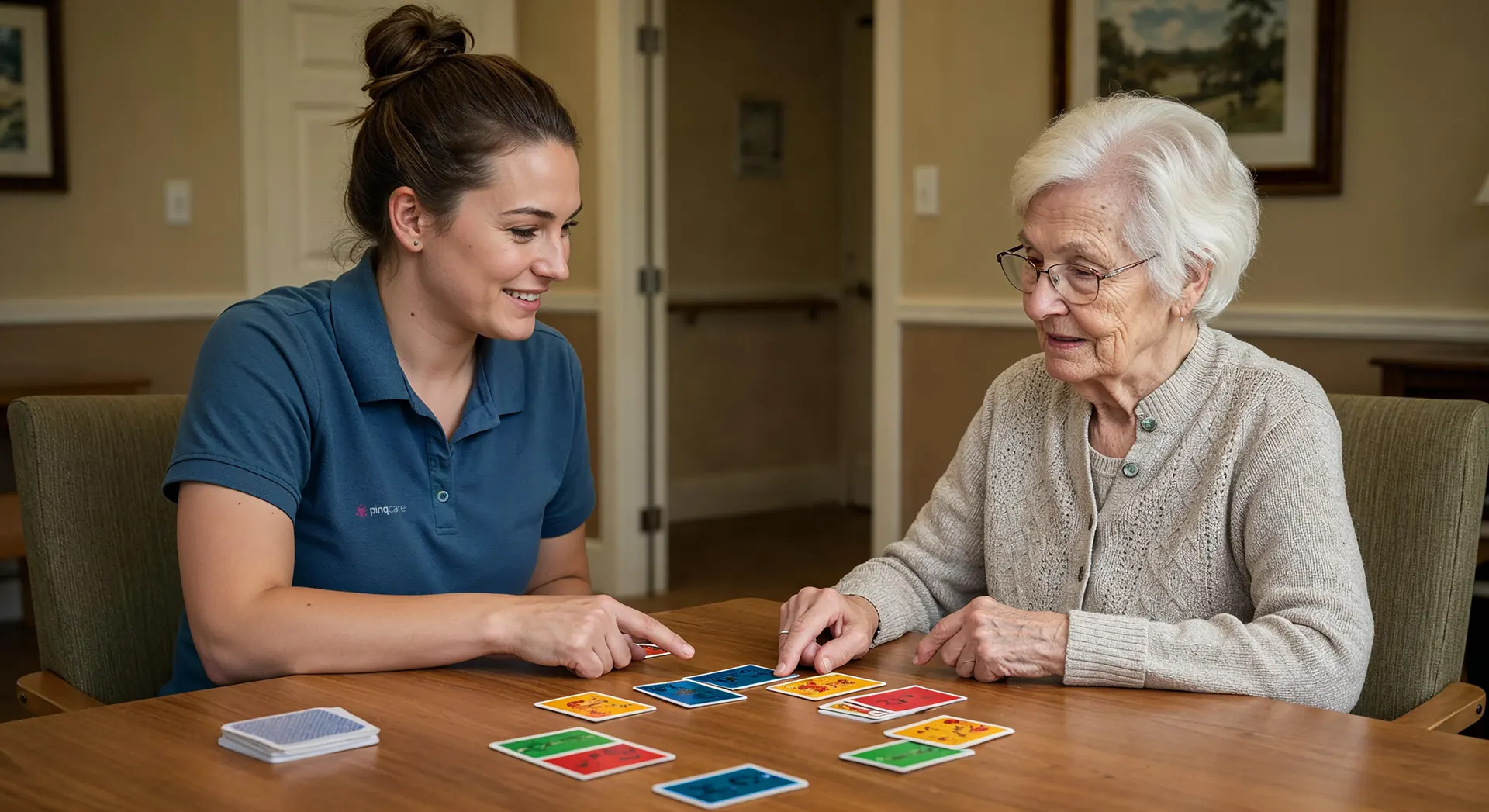
- Speech pathologists support older adults with communication and swallowing difficulties.
- Services address conditions like stroke, dementia, Parkinson’s, and muscle weakness.
- Therapy plans focus on safety, confidence, and social engagement.
- Available through Home Care Packages under the Support at Home framework.
- Enhances independence, nutrition, and quality of life.
As we age, changes in communication and swallowing ability can significantly affect how we live, interact, and care for ourselves. Speech pathologists play a vital role in helping older Australians manage these challenges, improving both safety and social engagement. Within the Home Care Packages program, these professionals provide tailored support to help clients stay connected, nourished, and confident in their own homes.
What Do Speech Pathologists Do in Aged Care?
Speech pathologists are allied health professionals trained to assess and treat disorders related to speech, language, voice, communication, and swallowing. In aged care, they often work with clients experiencing:
- Stroke or neurological conditions (e.g., Parkinson’s disease, multiple sclerosis)
- Dementia and cognitive impairments
- Age-related muscle weakness in the throat or voice
- Conditions affecting safe swallowing, such as head and neck cancers
Left untreated, these challenges can lead to malnutrition, dehydration, choking, or social withdrawal. Speech pathology provides a proactive and personalised approach to managing these issues at home.
Supporting Communication Challenges
Communication difficulties can affect a person’s ability to speak clearly, understand others, form sentences, or remember words. Here's how speech pathologists help:
Assessing Communication Needs
Speech pathologists start by assessing how the client speaks, understands language, remembers information, and uses non-verbal communication. This step helps create a clear picture of strengths and areas that need support.
Creating Individualised Strategies
Based on the assessment, they develop personalised strategies to enhance communication. This may include:
- Speech exercises to improve articulation and clarity
- Language or memory-based tasks to support cognition
- Visual aids, written prompts, or gestures for easier expression
Introducing Alternative Communication Tools
For clients with significant communication impairments, therapists may introduce Augmentative and Alternative Communication (AAC) tools, such as:
- Communication boards
- Picture cards
- Voice-output devices
These tools keep clients socially engaged and better able to express their needs.
Managing Swallowing Difficulties (Dysphagia)
Swallowing problems, known as dysphagia, are common in older adults and can have serious health consequences, including aspiration pneumonia or malnutrition. Speech pathologists address dysphagia with a careful, evidence-based approach.
Conducting a Swallowing Assessment
Speech pathologists assess how well the client can chew, swallow, and manage different food textures or fluids. This may include observing meals or conducting tests to analyse throat function.
Designing Safe Eating Plans
Following the assessment, a speech pathologist will:
- Recommend safe food textures (e.g., soft or pureed foods)
- Suggest drink thickness levels to prevent choking
- Train caregivers and clients in safe swallowing techniques, such as posture or pacing
Prescribing Swallowing Exercises
Therapists often provide exercises to strengthen the muscles used in swallowing, which may include:
- Tongue and throat strengthening movements
- Breathing coordination exercises
- Postural training to aid safe food intake
These help clients maintain their independence and reduce reliance on assistance.
Benefits of Speech Pathology in Home Care
Incorporating speech pathology into a home care plan delivers real, measurable benefits:
- Improved communication – Enhances connection with family, friends, and care providers
- Better nutrition and hydration – Reduces the risk of choking and aspiration
- Increased confidence – Supports participation in conversations and meals
- Greater independence – Minimises reliance on others for daily interactions and eating
- Enhanced safety – Lowers the chance of hospitalisation due to complications from dysphagia
Frequently Asked Questions (FAQs)
Yes. Speech pathologists provide education and practical guidance for both clients and carers, ensuring safe practices are followed daily.
Speech therapy focuses on communication skills, while swallowing therapy targets safe eating and drinking. Both services can be delivered by the same qualified speech pathologist.
Signs may include slurred speech, difficulty finding words, coughing while eating, or reluctance to talk or eat. A Care Partner can arrange an assessment to explore further.
Absolutely. Most speech pathology services can be delivered in the client’s home, making them accessible and comfortable.
Yes, services such as assessments, therapy sessions, and communication aids may be included in your package, based on your care plan.
- Assisted Living Advice
- Carer Support & Resources
- Dementia & Memory Support
- End-of-Life Care & Planning
- Family & Relationship Guidance
- Government Support & My Aged Care
- Health & Wellbeing
- Home Safety & Accessibility
- In-Home Care Tips
- Legal & Financial Planning
- Mental Health in Ageing
- Mobility & Exercise
- Nutrition for Seniors
- Tech & Tools for Seniors
- Transitioning to Aged Care
Final Thoughts
Communication and swallowing are essential parts of living well, and speech pathologists play a vital role in preserving both. Under the Home Care Package framework, their services help older Australians stay safe, connected, and nutritionally healthy. By including speech pathology in your care plan, you’re empowering yourself or your loved one to maintain dignity and independence at home.