
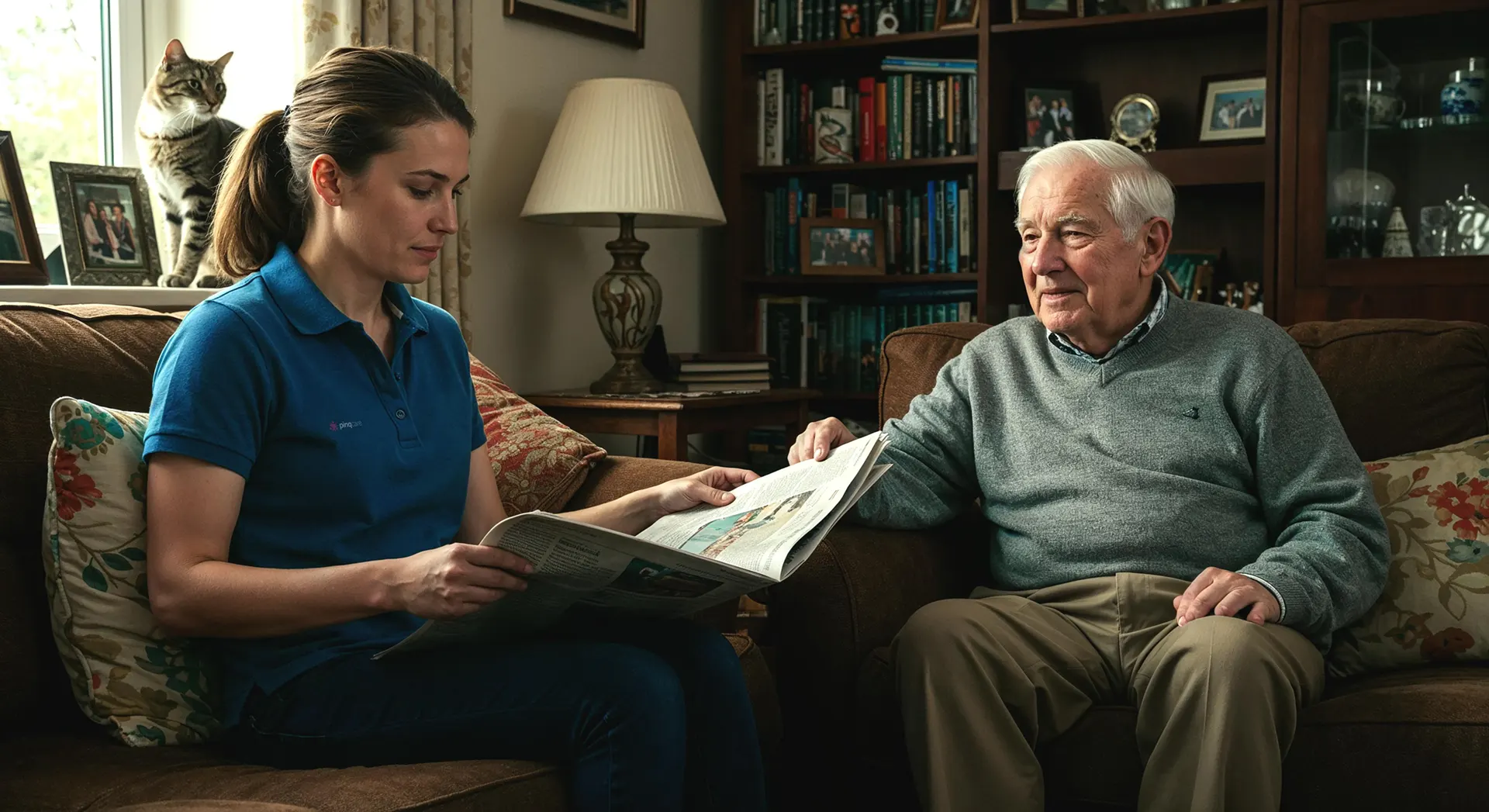
- Managing multiple health conditions at home requires coordination, monitoring, and personalised support.
- Care Partners serve as central coordinators across medical, allied health, and daily care services.
- Regular reviews and simplified care routines improve outcomes and safety.
- A holistic approach supports independence and reduces hospital visits.
- Education and communication empower clients and families to stay involved and informed.
For many older Australians, living with more than one health condition, also known as multimorbidity, is a reality that requires thoughtful and coordinated care. Under the Home Care Packages program, clients can receive personalised in-home care designed to support their complex needs while helping them maintain independence.
At the centre of this approach is the Care Partner, a key figure who ensures that health services, medications, therapies, and personal preferences are aligned for the best possible outcomes.
The Complexity of Multiple Health Conditions
Conditions such as arthritis, heart disease, diabetes, cognitive decline, and respiratory illness can affect each other in unpredictable ways. Balancing medications, therapies, and lifestyle recommendations becomes more challenging when:
- Treatment plans conflict
- Side effects from one medication affect another condition
- Energy levels fluctuate daily
- Clients and families struggle to manage appointments or equipment
Without proper coordination, clients may miss appointments, skip medications, or feel overwhelmed - leading to hospitalisations or reduced quality of life.
The Role of a Care Partner in Coordinating Care
Care Partners are specially trained to manage complexity through structured, person-centred planning and oversight.
1. Comprehensive Health Assessment and Planning
The Care Partner starts by conducting a detailed assessment of:
- Diagnosed conditions and current treatments
- Daily routines and activity levels
- Client preferences, goals, and social environment
- Risks (e.g., falls, medication confusion, fatigue)
Using this information, they build a customised care plan that addresses each condition holistically while supporting the client’s goals, whether that’s improving mobility, staying socially connected, or avoiding hospital stays.
2. Medication Management and Coordination
With multiple medications in play, there’s a higher risk of:
- Drug interactions
- Missed doses
- Confusing schedules
- Adverse side effects
Care Partners liaise with GPs, pharmacists, and specialists to streamline prescriptions, simplify routines, and monitor responses, reducing risks and improving safety.
3. Connecting with Allied Health Services
Care Partners help coordinate access to:
- Physiotherapists, to support mobility and reduce joint pain
- Occupational therapists, for home adaptations and energy conservation
- Dietitians, to manage chronic conditions like diabetes or heart disease
- Speech therapists, for clients with swallowing or communication concerns
Rather than working in silos, these professionals are brought together under one unified care plan.
4. Ongoing Monitoring and Regular Reviews
The Care Partner checks in regularly, often every few weeks or months depending on needs, to ensure:
- Services are still appropriate
- Conditions are under control
- Client goals are being met
- Early signs of health decline are detected
This continuous loop of feedback and adjustment ensures that care remains relevant, effective, and proactive.
5. Providing Education and Emotional Support
Understanding complex health conditions and the reasoning behind each part of the care plan helps families and clients feel more in control. Care Partners explain:
- What each condition means
- The role of different medications or therapies
- Lifestyle adjustments that may help
- How to recognise signs of deterioration
This builds confidence and empowers clients to be active participants in their health.
Benefits of Coordinated Care Management
Clients with multiple health conditions often experience significant improvements when their care is well-managed.
Holistic Support
The Care Partner considers all aspects of wellbeing: physical, emotional, and social, ensuring that services complement one another rather than overwhelm.
Improved Safety
With simplified routines and clear medication instructions, there’s less risk of missed doses, falls, or harmful interactions.
Enhanced Independence and Wellbeing
By maintaining consistency, setting clear goals, and supporting lifestyle choices, clients often stay more active, engaged, and confident.
Fewer Emergency Events
When conditions are monitored and managed proactively, clients are less likely to experience complications that result in hospital stays.
Challenges and How Care Partners Help Address Them
Conflicting Recommendations from Healthcare Providers
It’s not uncommon for one doctor to suggest a therapy that contradicts another’s advice. Care Partners help by:
- Collecting all input
- Clarifying intent with providers
- Proposing compromises that meet safety and client goals
Complex Care Routines
Multiple appointments and routines can be tiring and confusing. Care Partners:
- Simplify instructions
- Combine compatible services
- Set priorities based on energy levels and preferences
Communication Breakdowns
When different specialists and family members are involved, details can be lost or misinterpreted. Care Partners maintain open communication between all parties to ensure everyone is informed and aligned.
Frequently Asked Questions (FAQs)
Multimorbidity refers to having two or more chronic conditions; such as heart disease, diabetes, arthritis, dementia, or COPD. Each case is different, but all require careful coordination.
Ask your Care Partner. They are there to clarify, simplify, and adjust the plan so it makes sense to you and your family.
Care Partners use professional care management systems, maintain regular contact with providers, and schedule reviews to ensure no detail is missed.
Absolutely. The care plan is reviewed regularly and updated to reflect current needs and priorities.
Yes. Care Packages are flexible and designed to support clients with complex or evolving needs. The Care Partner will help prioritise services within the available budget.
- Assisted Living Advice
- Carer Support & Resources
- Dementia & Memory Support
- End-of-Life Care & Planning
- Family & Relationship Guidance
- Government Support & My Aged Care
- Health & Wellbeing
- Home Safety & Accessibility
- In-Home Care Tips
- Legal & Financial Planning
- Mental Health in Ageing
- Mobility & Exercise
- Nutrition for Seniors
- Tech & Tools for Seniors
- Transitioning to Aged Care
Final Thoughts
Living with multiple health conditions doesn't mean giving up independence. With the support of a skilled Care Partner, clients can receive coordinated, high-quality care in the comfort of their own homes.
By simplifying routines, managing communication, and integrating health services, Care Partners help clients stay safe, informed, and confident - improving quality of life and easing the burden on families.